Preventing Accidents Before They Happen - Getting You Help When They Do

1-877-LOSS-RECOVER (567-7732)
Search by State

Accident Attorneys In Nebraska
Narrow Your Search By Selecting A Market





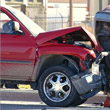

Use the listing(s) above to find the right Nebraska accident attorney for you
or contact us today and we'll connect you with someone that can help.
Nebraska Motor Vehicle Accident Laws and Safety Requirements
Approximately 200 people die as a result of motor vehicle accidents on Nebraska roads every year, among which about 25 percent are DUI-related. Injured parties are entitled to seek full compensation from at-fault drivers in Nebraska courts. In the case of a fatal accident, the victim’s administrator may file a wrongful death lawsuit for money damages. Below are some of the primary features of Nebraska vehicle accident law:
Statute of Limitations: Nebraska allows victims four years from the date of a traffic accident to file a lawsuit seeking money damages for personal injury or property damage. You only have two years from the victim’s death to file a wrongful death lawsuit.
When the Victim is Partly at Fault: In many cases, the accident is partly the fault of the plaintiff who is filing the lawsuit. In such cases, a Nebraska court will apportion fault among the parties on a percentage basis. If the plaintiff’s percentage of fault is less than 50 percent, the court will multiply the plaintiff’s percentage of fault by his total damages and deduct the resulting figure from damages – if he is 35 percent at fault, for example, he will receive only 65 percent of his damages. If the plaintiff is at least 50 percent at fault, however, his claim will be dismissed and he will receive nothing. If you were injured in a car wreck in Nebraska and are concerned that you may be deemed to be at fault, it is vital that you consult with an experienced Nebraska car accident lawyer promptly. There may be circumstances you have not considered that could allow you to recover partial or full damages for your injuries and an experienced attorney can help you figure this out.
Fault/No Fault Rule: Since Nebraska is not a no-fault state, a victim can file a claim directly against the defendant or his insurer instead of waiting for his own auto accident insurance company to reimburse him.
Minimum Insurance Coverage: All Nebraska drivers are required to maintain liability insurance covering up to $25,000 per injured victim, $50,000 cumulative per accident, and $25,000 for property damage.
Uninsured/Underinsured Drivers Coverage: Nebraska drivers must obtain coverage for uninsured and underinsured motorists, both with coverage limits of no less than $25,000 per injured victim and $50,000 per accident.
Types of Damages Available: Although full compensatory damages are available, punitive damages are almost never allowed.
Product Liability for Defective Vehicles: No-fault product liability is available. The “consumer expectations test” is used to determine whether or not a product is defective.
Suing the Government over Defective Roadways (Sovereign Immunity): Legislative approval is required for any portion of a damages award that exceeds $50,000.
Motorcycle Helmet Laws: All riders on Nebraska roads must wear helmets.
Seat Belt Laws: All occupants 18 or older must buckle up while sitting in the front seat. The maximum fine for a first offense is $25.
Dram Shop Law: Nebraska has no dram shop law. Alcohol vendors and social hosts are not liable for injuries to third parties that are indirectly caused by serving alcohol to a minor or an intoxicated adult.
DUI/DWI Penalties (first offense): Jail time of 7 to 60 days applies to a first offense, along with a fine of up to $500 and a driver’s license suspension of up to 60 days.
Distracted Driving (texting while driving, etc.): Although texting while driving is banned, it is a secondary offense – a police officer cannot cite you unless he catches you committing another infraction, such as running a stop light. Under-18 drivers on Learners or Intermediate licenses may not use cell phones while driving, even non-hand-held versions.